


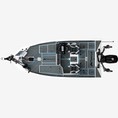

ますます多くの顧客がアルミニウム合金ボートの利点を理解した後、多くの顧客はヨットを購入するときにアルミニウム合金ボートに相談することを好みます。 以下は、アルミニウム合金ボート用のアルミニウム合金材料の選択に関する考慮事項です。
一般的なマリングレードのアルミニウム合金は、主に5シリーズのマグネシウムアルミニウム合金を指します。 モデルは、次のようなマグネシウム含有量によって区別されます。5052、5083など。 5052にはマグネシウムが少なく、成形性能が高く、プレスに適しているのに対し、5083にはマグネシウム含有量が多く、脆くて硬いことを理解してください。 プロファイル処理に適していますが、5083は、5052よりも硬く、耐食性に優れています。内陸の淡水で使用する場合は、5052を使用してください。海水または腐食性の高い水で使用する場合は、5083を使用できます。 。 海水環境と美しい外観に適応するために、ボートの下部(水中部分)には5083を使用し、ボートの下部には5052を使用します。 ボート上部(表面部)
アルミニウム合金ボートの素材の選択に注意してください:
1.艤装にも5052合金を使用し、プレート、チューブ、ロッドなどの種類があります
2. 5083合金は、幅が広く薄い-壁の押し出しプロファイルを生成できます
3. The thickness of the plates used is determined by the hull structure, ship specifications and parts of use, etc. From the perspective of hull lightweight, thin plates are generally used as much as possible, but the depth of corrosion of the plates during the use time should also be considered. The commonly used plates are: Thin plates over 1.6mm and thick plates over 30mm. In order to reduce welding, 2.0m wide aluminum plates are often used, and large ships use 2.5m wide aluminum plates, which are generally 6m in length. Some special specifications of plates are also used in accordance with shipyard contracts. In order to prevent slip, the deck adopts checkered plates.